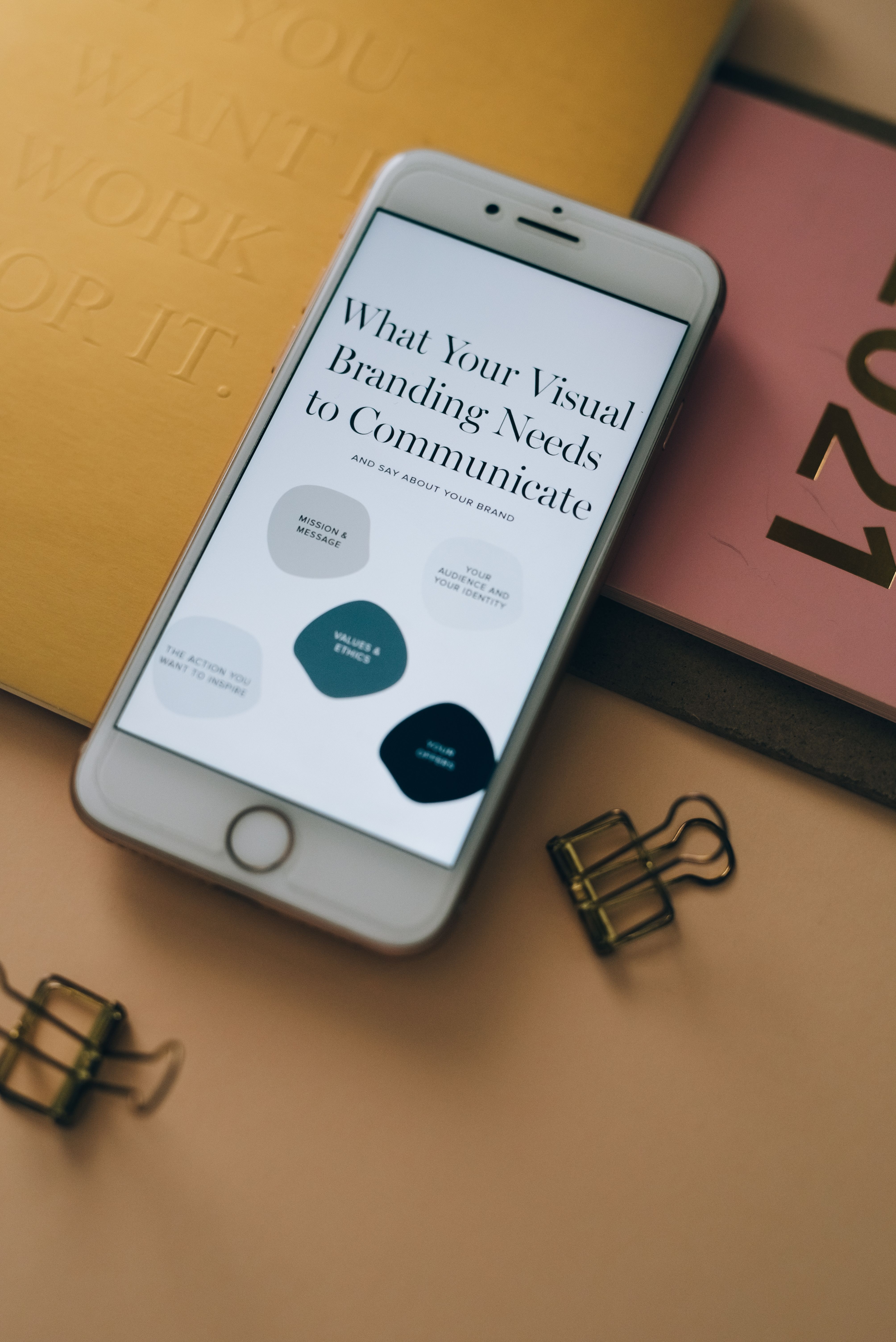

What It Takes to Build a Strong Brand Identity Beyond the Basics
Launching a designer furniture brand requires more than a logo, typography, and a color palette. In today’s competitive market, a cohesive brand identity helps you stand out, communicate your values, and connect with customers on an emotional level. Here’s a practical guide to expanding your brand beyond the basics, with ideas on what to DIY and what to outsource, plus a rough sense of costs.
Key elements to consider for a compelling brand identity
– Brand strategy and positioning
– Define your mission, vision, and values.
– Clarify your target audience and ideal customer.
– Articulate your brand promise: what makes your furniture and curation unique.
– Develop a brand voice and storytelling framework that reflects your identity.
- Visual consistency beyond the logo
- Typography system: primary and secondary typefaces, hierarchy, and use cases (headings, body text, captions).
- Color system: primary, secondary, and accessibility considerations (contrast ratios) for digital and print.
- Imagery style: photography guidelines, lifestyle vs. product photography, lighting, composition, and editing standards.
-
Iconography and graphic elements: custom icons, patterns, textures that reinforce your brand.
-
Brand guidelines and governance
- Create a concise brand style guide outlining proper usage of logos, colors, typography, imagery, and tone.
- Specify do’s and don’ts to maintain consistency across channels and teams.
-
Establish a process for approving new assets and campaigns.
-
Online presence and digital experience
- Website design that reflects brand values and offers a seamless shopping experience.
- Product storytelling: write compelling product narratives, designer highlights, and behind-the-scenes content.
- Content marketing: blog or editorial content about design trends, designer spotlights, and sourcing stories.
- Social media voice and messaging: consistent captions, interactions, and community engagement.
-
Email marketing framework: welcome series, newsletters, and automated flows that reinforce brand identity.
-
Brand experience and partnerships
- Curated collaborations with renowned or emerging designers to strengthen credibility.
- Packaging, unboxing experience, and customer service that embody brand values.
- Events, pop-ups, or showroom experiences that convey your story.
DIY vs. outsourcing: practical guidance
– What you can realistically do yourself
– Refine your brand narrative and positioning.
– Create a simple, adaptable brand guidelines document.
– Develop a consistent social media plan and content calendar.
– Produce product copy and basic lifestyle photography using available resources.
– Build and maintain a brand-centric website with a clear value proposition.
- What to consider outsourcing
- Professional brand strategy and identity systems (visual language beyond the logo).
- Graphic design for high-quality, scalable assets (brand templates, UI components).
- Photography direction and product photography with a consistent studio style.
- Website design and development, especially if you need complex e-commerce features.
- Copywriting for product descriptions, brand storytelling, and marketing collateral.
- Video production for designer presentations, brand stories, and campaigns.
- Market research on pricing, competitor positioning, and audience insights.
Rough cost framework (market-rate guidance)
Note: costs vary by region, scope, and expertise. Use this as a rough starting point:
– Brand strategy and identity system (consultation + guidelines): $2,000–$15,000+
– Professional logo refresh or full identity system (including assets and usage rules): $1,500–$10,000
– Photography direction and a set of product lifestyle images: $1,000–$5,000+
– Website design and development (basic to advanced e-commerce): $3,000–$40,000
– Copywriting and content creation (website, product pages, blogs): $500–$4,000+
– Ongoing brand consulting (monthly retainer): $500–$3,000+
Actionable next steps for your furniture brand
1) Define your brand story and positioning
– Write a short brand statement: who you are, what you offer, and why it matters.
– Identify 2–3 designer partnerships or collections that will anchor your brand.
2) Build a lightweight brand guideline
– Document your color codes, typography, image style, voice, and usage rules.
– Create reusable templates for social posts, product pages, and emails.
3) Audit your current assets
– Review logos, fonts, and colors for consistency across channels.
– Inventory photography and product copy to align with the brand voice.
4) Plan your content and campaigns
– Develop a content calendar featuring designer spotlights, sourcing stories, design trends, and customer features.
– Map out a launch week plan with a cohesive visual direction.
5) Budget intelligently
– Start with the essentials: brand guidelines, product storytelling, and website enhancements.
– Allocate funds for tasks with the highest impact on first impressions (website, photography, and copy).
If you’d like, share your country or region and any rough budget ranges. I can tailor a more precise outsourcing plan and propose a phased approach to grow your brand identity while keeping costs under control.